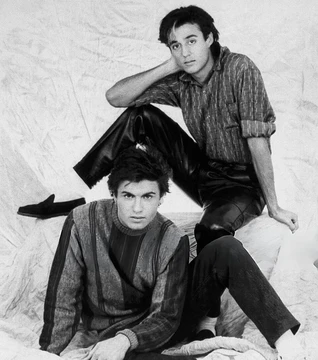
Baccara
Spanish duo known for "Yes Sir, I Can Boogie" and Eurovision 1978.

BMCart · CC0
Baccara was a Spanish female vocal duo formed in 1977 by María Mendiola and Mayte Mateos. They achieved international fame with their debut single "Yes Sir, I Can Boogie," which became a massive hit, selling more than 16 million copies worldwide. The duo represented Luxembourg in the Eurovision Song Contest 1978 with "Parlez-vous français ?" and were known for their blend of disco, pop, and Spanish folk music.
- notable_achievement
- Debut single "Yes Sir, I Can Boogie" was listed in the 1977 Guinness Book of Records as the highest-selling female musical duo to date
Lore & Background
In 1976, María Mendiola, a prima ballerina of Alberto Portillo's Spanish Television ballet, proposed to her colleague Mayte Mateos the formation of a singing and dancing duo called Venus. After leaving the ballet company, they performed as variety show dancers and were spotted by Leon Deane, manager of the German subsidiary of RCA, while performing flamenco for German tourists in Fuerteventura. Deane invited them to Hamburg for a voice test and developed their stage performance, renaming them Baccara after the black rose, referencing their dark Spanish appearance.
The duo's debut single "Yes Sir, I Can Boogie," penned by Rolf Soja and Frank Dostal, was recorded in the Netherlands and released in 1977. It became a pan-European hit, reaching number one in Germany, the Netherlands, the UK, Sweden, Belgium, and Switzerland. The follow-up "Sorry, I'm a Lady" was also an international success. Baccara represented Luxembourg at Eurovision 1978 with "Parlez-vous français ?," finishing seventh despite receiving full marks from Italy, Portugal, and Spain.
By 1981, their disco sound had fallen out of fashion, and by 1983 both members pursued solo projects. They later formed separate duos using the Baccara name, leading to two competing incarnations. Mendiola's Baccara released Hi-NRG club hits in the late 1980s, while Mateos' Baccara focused on television and live appearances in Spain and Germany.
Reader's Guide
Baccara's significance lies in their brief but explosive impact on late 1970s European pop culture. Their debut single "Yes Sir, I Can Boogie" set a commercial record as the best-selling single by a female duo, with over 16 million copies sold, and they were the first female duo to reach number one in the UK. Their Eurovision appearance for Luxembourg in 1978, though placing seventh, remains a notable moment in the contest's history. The duo's formula—breathy lyrics, lush backing, a disco beat, and the striking visual contrast of Mateos in black and Mendiola in white—drew lightly on Spanish flamenco tradition while rooted in disco. Despite their rapid decline in popularity after 1979, Baccara's legacy endured through separate duos led by each former member, sustaining nostalgia-driven careers. Their music, particularly "Yes Sir, I Can Boogie," continues to be recognized as a quintessential example of Euro disco and a summer hit.
Did You Know?
- "Yes Sir, I Can Boogie" sold more than 16 million copies worldwide and was listed in the 1977 Guinness Book of Records as the highest-selling female musical duo to date.
- Baccara was not the first female duo to reach number one in the UK; earlier duos like The Carpenters (with 'Please Mr. Postman' in 1975) and The Andrews Sisters preceded them.
- Their self-titled debut album was the first platinum-selling album by a foreign group in Finland.
- The duo's name Baccara comes from the black rose, chosen to reference the women's dark Spanish appearance.
From Ballet Stage to Black Rose
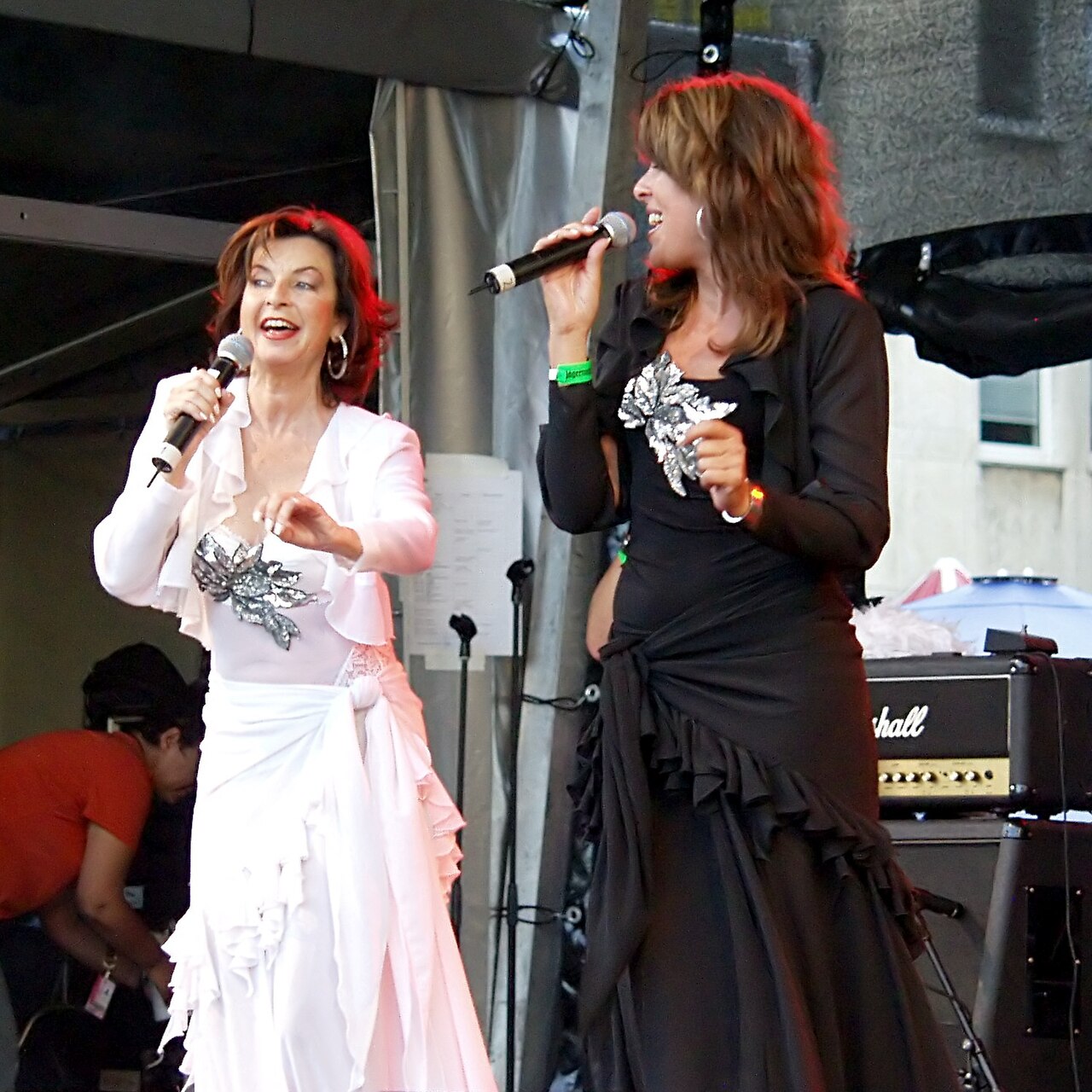
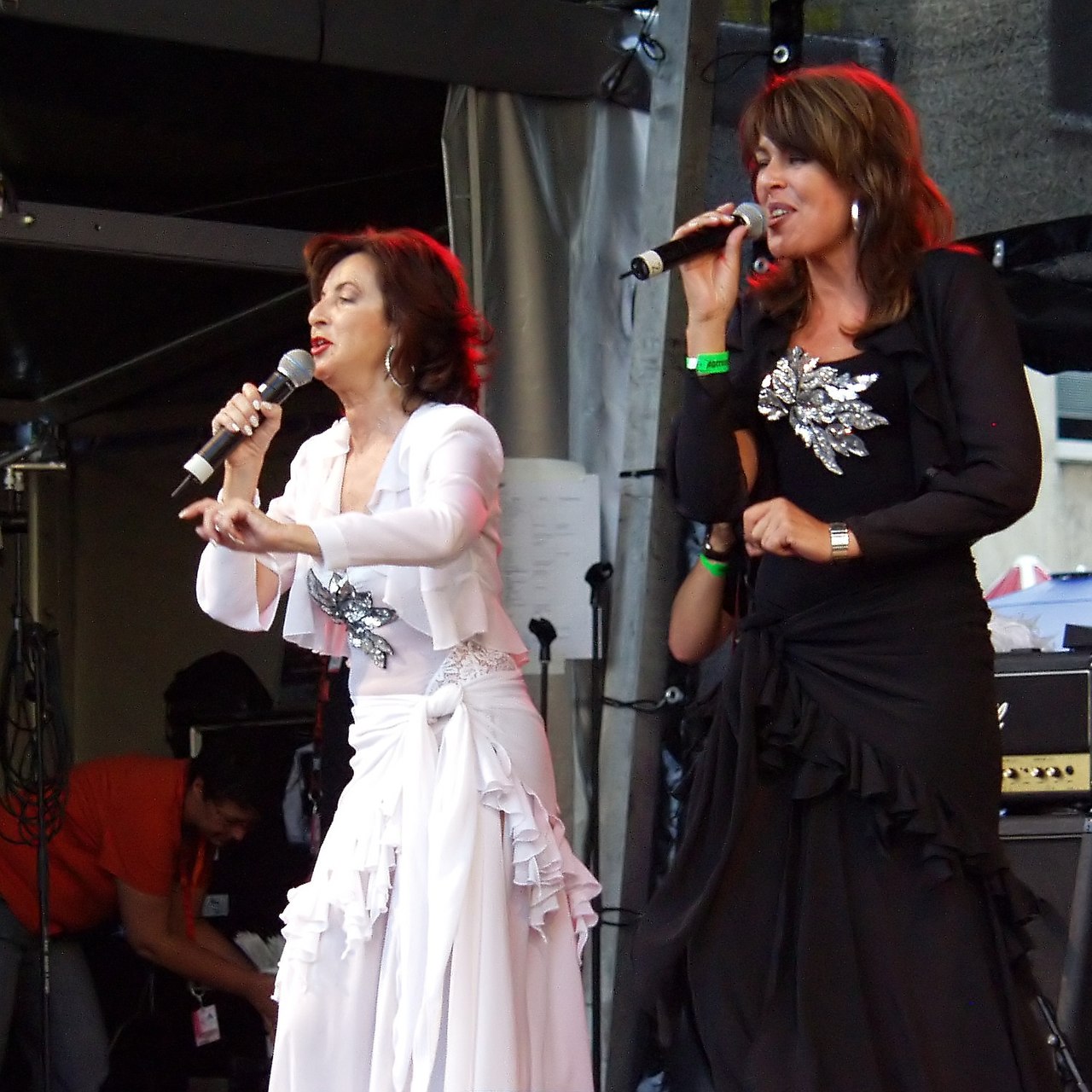
In 1976, María Mendiola, a prima ballerina in Alberto Portillo's Spanish Television ballet company, proposed to her colleague Mayte Mateos that they form a singing-and-dancing act. Initially calling themselves Venus, the pair left the ballet and worked as variety show dancers, landing a slot on the light-entertainment programme Palmarés and a nightclub residency in Zaragoza. The latter ended when the manager deemed them "too elegant" for the venue. Unemployed, they moved to the Canary Islands, where they found German tourists hungry for traditional Spanish music and dance. At the Tres Islas Hotel on Fuerteventura, performing flamenco and folk songs, they caught the eye of Leon Deane, manager of RCA's German subsidiary. Mendiola, the only one who spoke English, negotiated the deal that brought them to Hamburg for a voice test. Deane became the driving force behind their transformation, recruiting instrumental backing and crafting their stage identity. He renamed the duo Baccara, after the black rose, a reference to their dark Spanish appearance. His formula—breathy lyrics, lush orchestration, a pulsing disco beat, and the visual of Mateos in black opposite Mendiola in white—drew lightly on flamenco tradition but was firmly rooted in 1970s disco.
The Summer That Conquered Europe
Recorded in the Netherlands and released in 1977, "Yes Sir, I Can Boogie"—penned by Rolf Soja and Frank Dostal—became a landmark of the Euro disco movement. The track hit number one in Germany, the Netherlands, the United Kingdom, Sweden, Belgium, and Switzerland, and reached number three in France. Sales eventually surpassed sixteen million copies, earning Baccara a place in the 1977 Guinness Book of Records as the highest-selling female musical duo to that point. They also became the first female duo to top the UK charts and remained the only Spanish act to do so until Julio Iglesias four years later. Their self-titled debut album achieved double platinum status in Finland in 1978, a mark that still placed it among the country's top-selling albums as of 2013. The follow-up "Sorry, I'm a Lady" replicated much of the success, topping charts in Germany, the Netherlands, and Belgium. Touring across Europe in the late 1970s cemented their following in Germany, Scandinavia, Japan, and Russia, while their selection to represent Luxembourg at the 1978 Eurovision Song Contest with "Parlez-vous français?"—where they earned full marks from Italy, Portugal, and Spain before finishing seventh—kept them in the international spotlight.
The Fracture: Two Baccaras
By 1981, the particular blend of disco, pop, and Spanish folk that had defined Baccara's sound was falling out of fashion. Despite maintaining a substantial following in Spain, Germany, and Japan, the commercial momentum that had carried them through the late 1970s had dissipated. By 1983, both Mateos and Mendiola were pursuing solo projects, each achieving little in the way of chart success. Rather than simply dissolving, the two women each assembled their own backing acts and revived the Baccara brand under separate banners. Mendiola fronted a group called New Baccara, while Mateos retained the original name. The mid-1980s thus saw two distinct incarnations of the same duo operating independently. The confusion deepened in the 1990s when New Baccara reverted to simply Baccara, meaning that both Mateos and Mendiola now headed different acts sharing the identical name. From that point forward, each woman pursued a prolonged but entirely separate legacy career, drawing on the nostalgia and earlier fame that had made the original pairing a household name across Europe.
Divergent Legacies
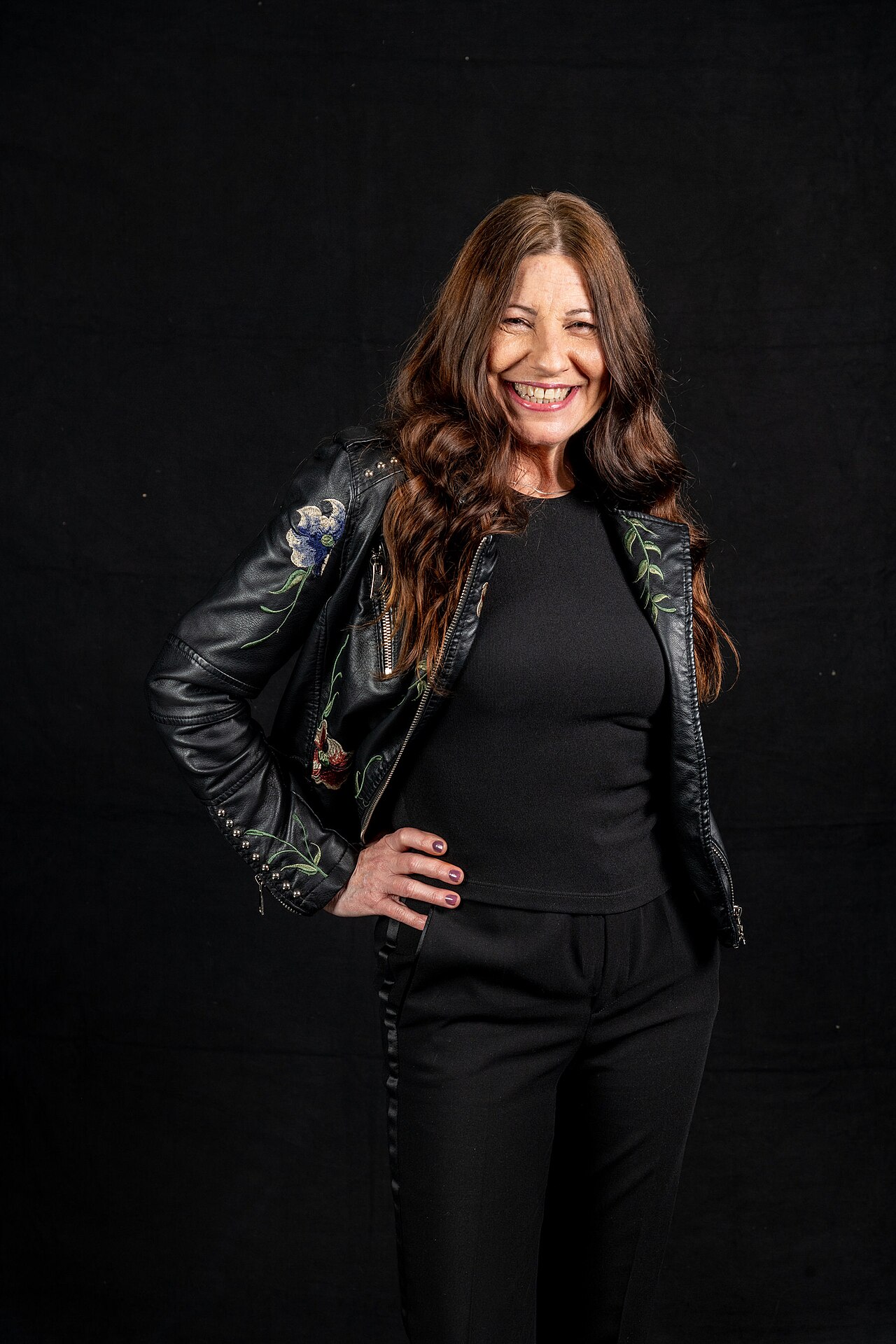
In the years following the split, the two Baccaras carved markedly different paths. Mendiola's act achieved greater international visibility, releasing a string of Hi-NRG club tracks in the late 1980s—including "Fantasy Boy," "Call Me Up," and "Touch Me"—that kept the name relevant in the dance-music scene. A later UK club hit, "Wind Beneath My Wings," further extended her act's reach into the 1990s. Mateos, by contrast, released comparatively few new recordings but remained in steady demand for television appearances and live performances, particularly in Spain and Germany, where the original Baccara had built a loyal fan base over the late 1970s. Her concerts typically featured the duo's back-catalogue alongside modernised arrangements of traditional Spanish songs, a nod to the flamenco roots that had first drawn Deane's attention in the Canary Islands. María Mendiola passed away on 11 September 2021, at the age of sixty-nine, while Mayte Mateos, born 7 February 1951, continued her performance career. The two women's separate trajectories ensured that the Baccara name would persist in two distinct forms long after the original partnership had ended.
Gallery
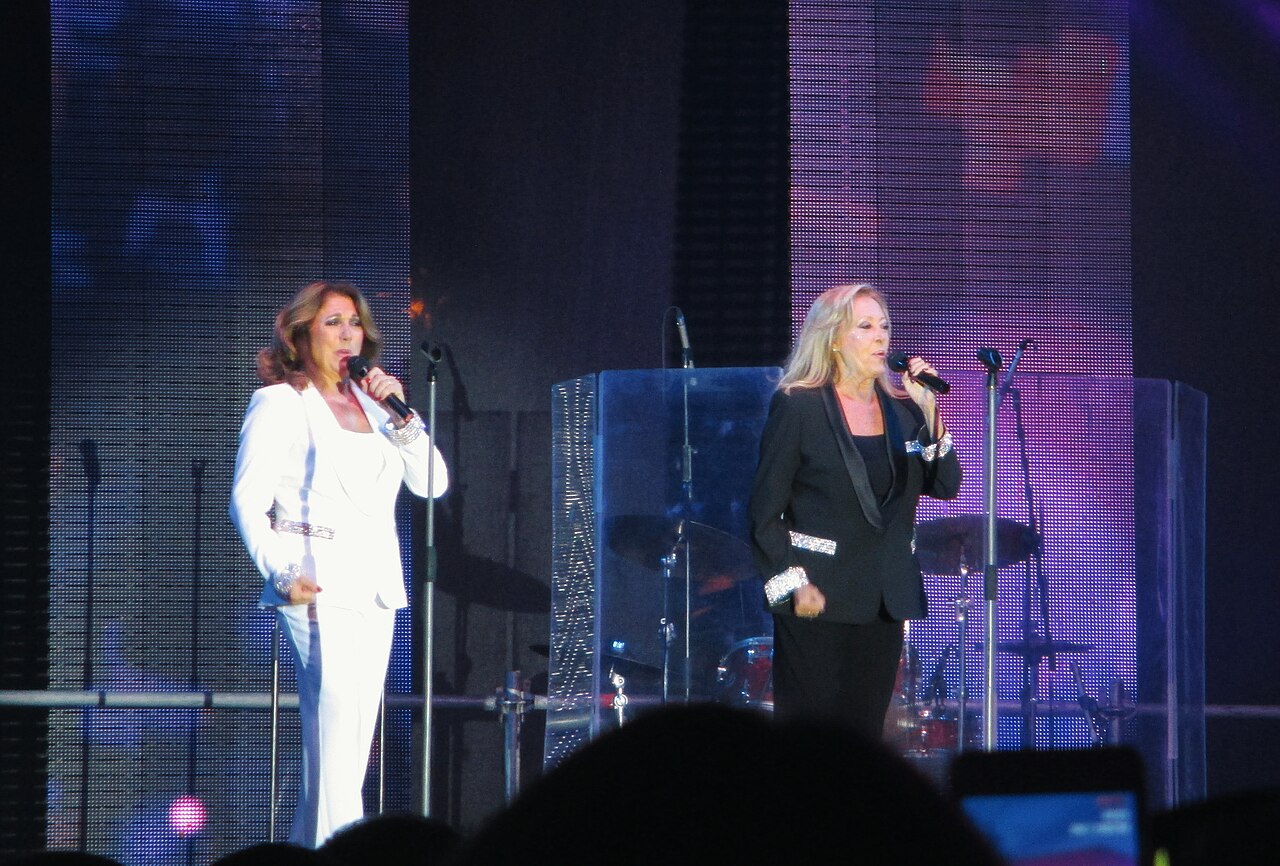
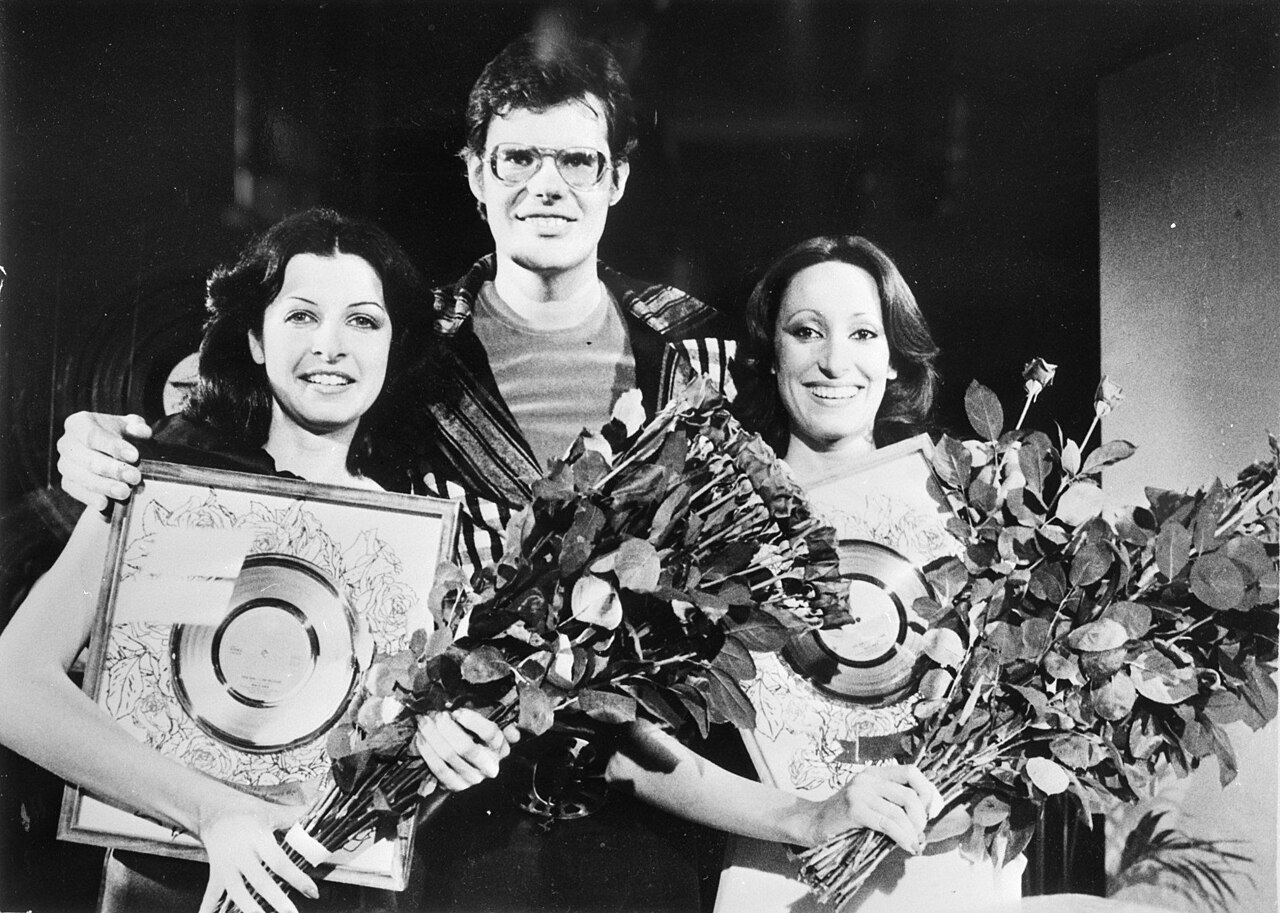
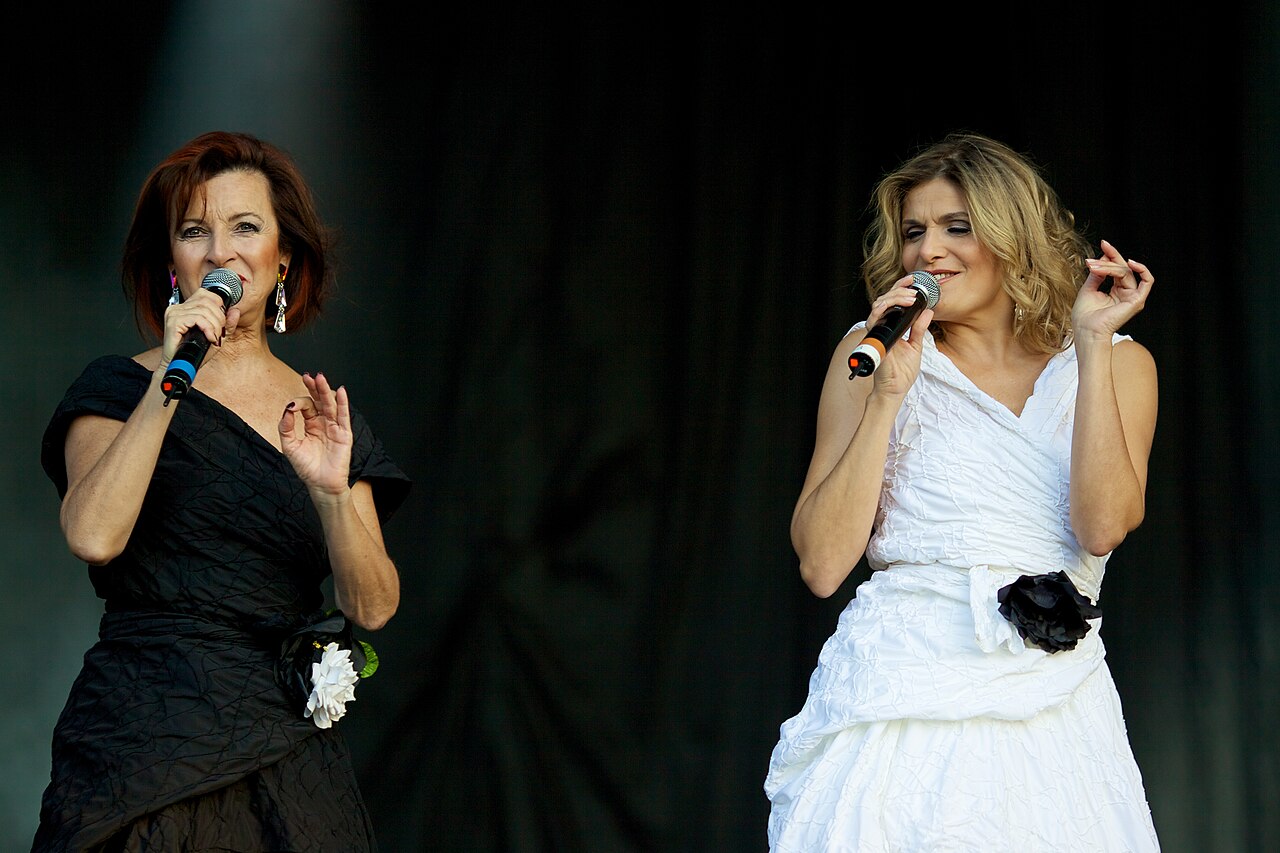
Frequently Asked Questions
Who is Baccara?
Baccara is a Spanish female vocal duo made up of María Mendiola and Mayte Mateos, who came together in 1977. They quickly became one of the most recognizable disco-pop acts of the late 1970s.
What is Baccara's biggest hit?
Their debut single "Yes Sir, I Can Boogie" is their signature track, moving over 16 million copies around the world. The song was so commercially dominant that the 1977 Guinness Book of Records recognized it as the top-selling release by a female duo at that time.
Did Baccara compete in Eurovision?
Yes, they represented Luxembourg at the 1978 Eurovision Song Contest with the track "Parlez-vous français ?" Their participation brought them additional exposure across continental Europe beyond their disco hits.
What musical style did Baccara perform?
The duo blended disco and pop with elements of Spanish folk music, giving their sound a distinctive Mediterranean flavor. This mix helped them stand out from other Euro-disco acts of the era.
Why is Baccara considered important in pop music history?
They set a sales benchmark for female duos in the late 1970s, with "Yes Sir, I Can Boogie" becoming one of the best-selling singles of that decade. Their success proved that a Spanish-rooted act could dominate the international disco market.
More in Pop music duos 1-24
Spotted an error? Know more?
This is a living reference — every entry is fact-audited, and reader corrections feed straight into our audit queue. Suggest an edit · See this site's audit record